
Adopting a rescue dog is one of the most rewarding things you can do. But the first few weeks can feel challenging. Your new dog may be scared, withdrawn, hyperactive or confused. This is completely normal. They’ve just left everything familiar and arrived in a world of new smells, sounds and strangers.
Understanding what your rescue dog is going through and giving them the time they need, makes all the difference.
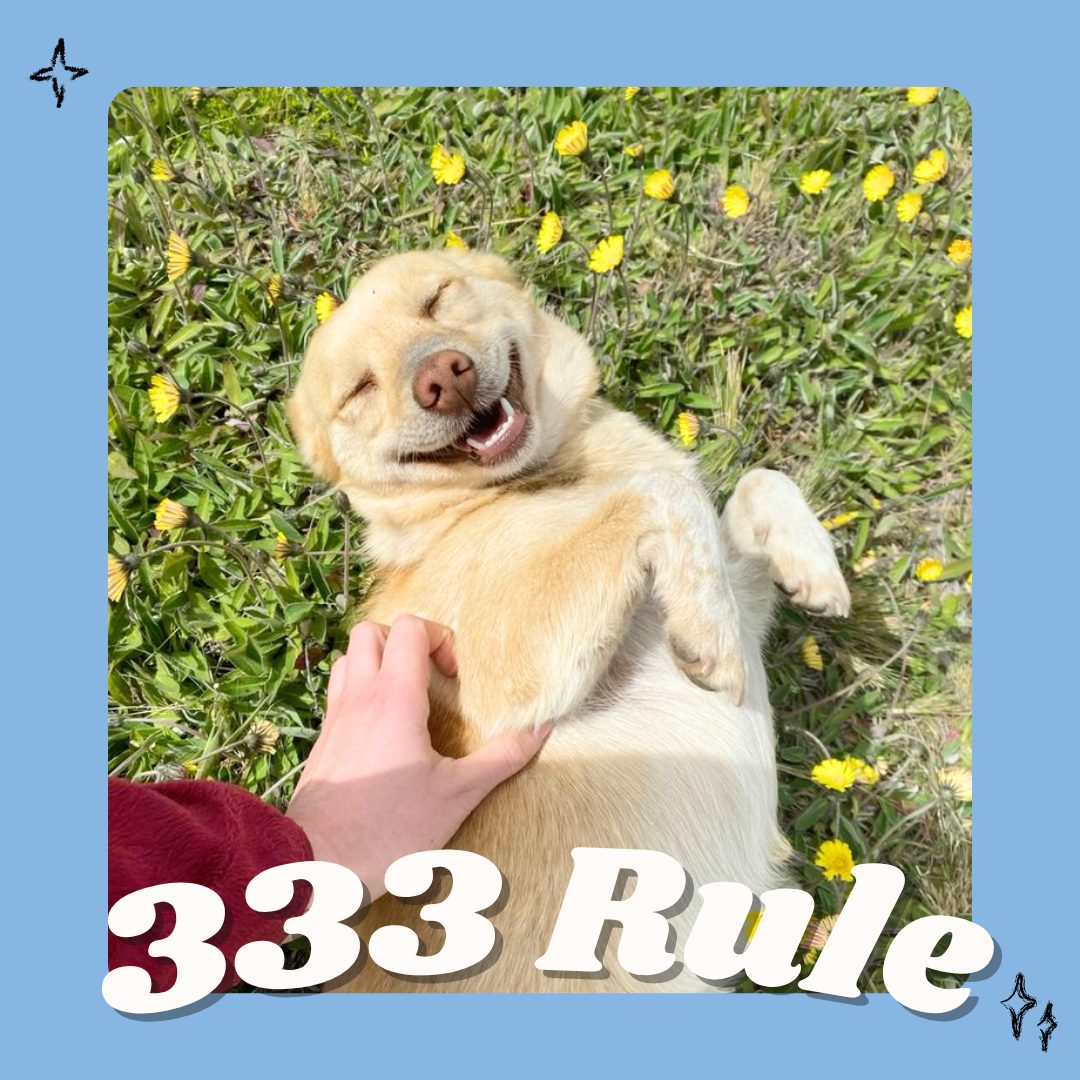
The 3-3-3 Rule
Many rescue charities and behaviourists recommend thinking about rehoming in three phases.
In the first three days, your dog is likely to feel overwhelmed and confused. They may not eat, may be very quiet or conversely may seem hyperactive and unable to settle. Resist the urge to do too much, keep things calm, give them space and let them decompress.
Over the first three weeks, your dog will start to learn the routine of your home. They’ll figure out when meals happen, where they sleep and who’s who. You may start to see their real personality emerging (good and bad). This is when some challenging behaviours can appear, as they start to feel more comfortable.
After three months, most dogs have fully settled and feel at home. They know your routines, trust you and understand the rules. This is when you’ll really see who they are.
Setting Up a Safe Space
Before your dog arrives, set up a quiet corner that’s theirs such as a crate or bed where they can retreat and not be disturbed. This is especially important if you have children or other pets. Make sure everyone in the household understands that when the dog is in their space, they’re not to be bothered. Having somewhere safe to retreat to is hugely important for a dog that’s feeling overwhelmed.
Go Slowly with Introductions
It’s tempting to want to show your new dog off to everyone, but limit visitors in the first couple of weeks. Let your dog get used to their immediate household first. When the time comes to introduce friends and wider family, do it one or two people at a time in a calm environment. Let the dog approach people in their own time rather than forcing interaction.
Routine is Everything
Rescue dogs often come from chaotic or unpredictable backgrounds. A consistent daily routine like the same feeding times, same walk times and same bedtime is one of the most powerful things you can offer. Predictability builds trust and trust is the foundation of everything.

Be Patient with Progress
Some rescue dogs settle quickly. Others take months. Don’t compare your dog’s progress to anyone else’s. Avoid flooding them with new experiences in the early weeks as there will be plenty of time for new adventures once they feel secure. Celebrate small wins and don’t be disheartened by setbacks.
If you’re struggling, please reach out to a qualified behaviourist or your rescue charity for support. You’re not on your own! Most challenges can be worked through with the right guidance.
Settling a rescue dog takes time, patience and plenty of support. If you need someone you can trust to care for your dog while you’re at work or away, we’d love to help. From dog walking and drop-in visits to house sitting in the comfort of their own home, our care is behaviour-informed at every step, so your dog can settle at their own pace. Get in touch to find out more.