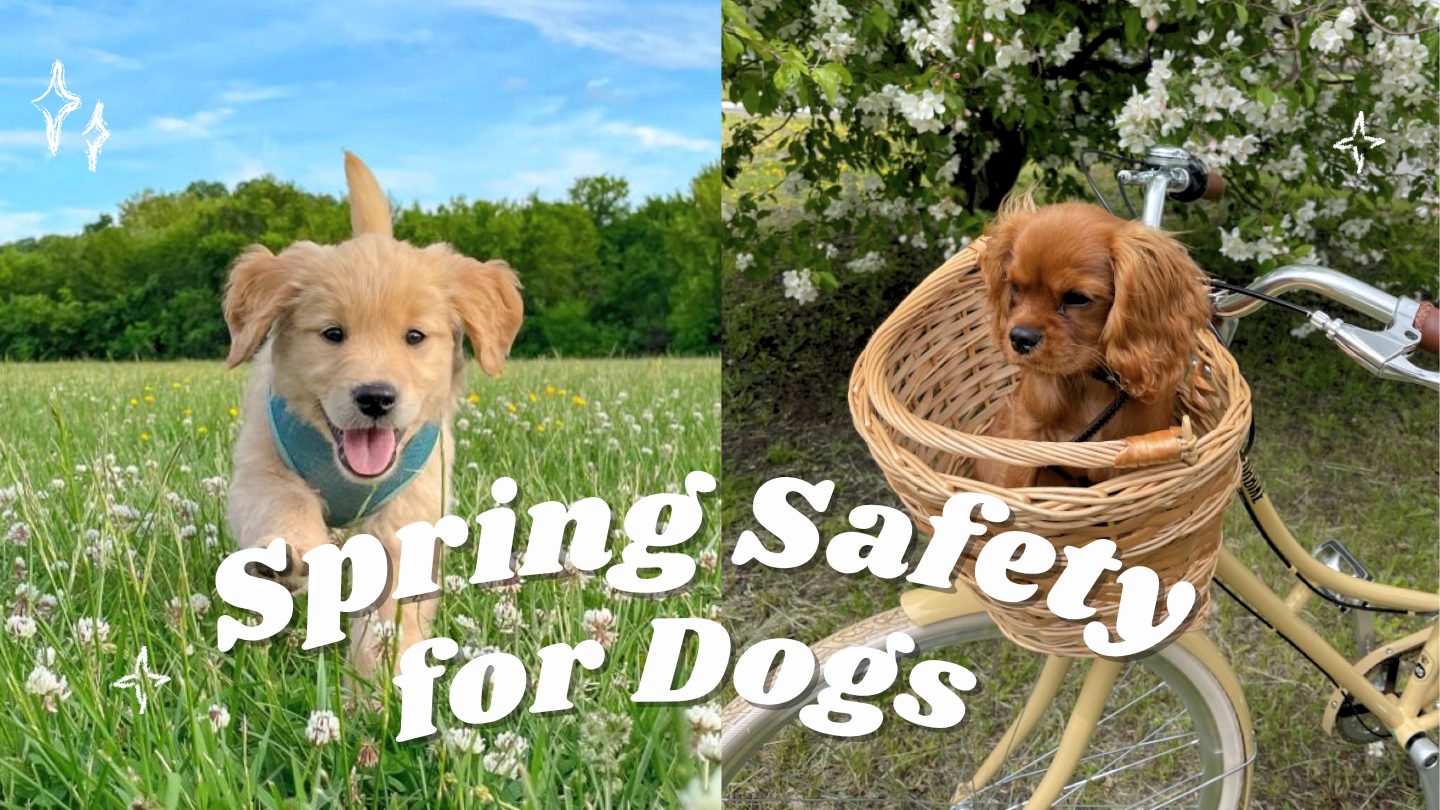
Spring is a wonderful time of year to be a dog owner. The days are getting longer, the parks are filling up and your dog is probably just as excited as you are to get outside. But spring also brings some hidden hazards that every dog owner should know about, particularly when it comes to plants and flowers.
Here’s a guide to the most common spring dangers in UK gardens and parks and what to do if you think your dog has been exposed:

Daffodils
Daffodils are one of the most toxic spring plants for dogs. The entire plant is dangerous (the flowers, leaves and stem but the bulb contains the highest concentration of toxins.) Eating daffodils can cause vomiting, diarrhoea, drooling, lethargy and in severe cases, tremors and heart problems. Be particularly cautious in parks where daffodils are planted in large displays and keep your dog away from any bulbs in the garden.

Tulips
Like daffodils, tulip bulbs are the most toxic part of the plant, though all parts should be considered hazardous. Symptoms include vomiting, diarrhoea, drooling and lethargy. Dogs who dig in the garden may be at particular risk if you’ve planted tulip bulbs.

Bluebells
Bluebells are a beautiful sight in spring woodlands, but they’re toxic to dogs. All parts of the plant are poisonous and can cause vomiting, diarrhoea and heart problems if eaten in large quantities. Keep dogs on the path in bluebell woods rather than letting them romp through the flowers.
Foxglove
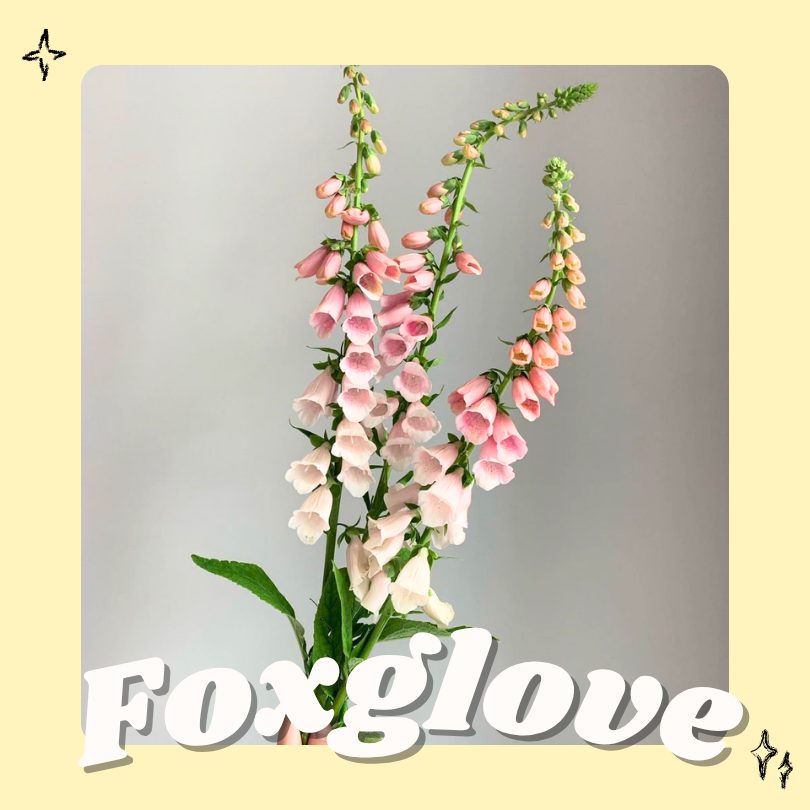
Foxglove is one of the most dangerous plants in the UK countryside and garden. It contains compounds that affect the heart and can be fatal even in small quantities. It flowers from late spring through summer. Symptoms of foxglove poisoning include vomiting, diarrhoea, disorientation and heart irregularities. If you suspect your dog has eaten foxglove, seek emergency veterinary treatment immediately.

Azaleas & All Rhododendrons
These stunning flowering shrubs are extremely toxic to dogs. Even a few leaves can cause serious illness, including vomiting, drooling, weakness and potentially fatal heart and breathing problems. They’re common in parks and gardens throughout the UK, so keep a close eye on your dog around these plants.
Spring Safety for Dogs: Other Spring Hazards to Watch For
Beyond plants, spring brings a few other hazards worth being aware of. Slug pellets (metaldehyde) are frequently used in gardens in spring and are highly toxic to dogs, the blue pellets can look appealing to a curious dog. Fertilisers used on lawns and gardens can also cause illness if ingested. With warmer weather comes an increase in tick activity so try to check your dog after every walk, paying particular attention to the ears, between the toes and around the collar area.
What to Do in an Emergency
If you think your dog has eaten a toxic plant, don’t wait for symptoms to appear. Contact your vet immediately or call the Animal Poison Line on 01202 509000 (charges apply). Try to identify what your dog has eaten and roughly how much as this will help your vet advise you quickly. Never try to make your dog vomit unless specifically instructed to by a vet.